Business
Corporate America braced for Democrats to unleash investigations
By Marcus Chen
Advertisement · Why this ad?
Katherine oversees editorial operations across all six brands. Before joining The Meridan Group, she spent 14 years at the Minneapolis Star Tribune, where she led the metro desk through its digital transformation. She holds a Master's in Journalism from Northwestern's Medill School.
More from Katherine →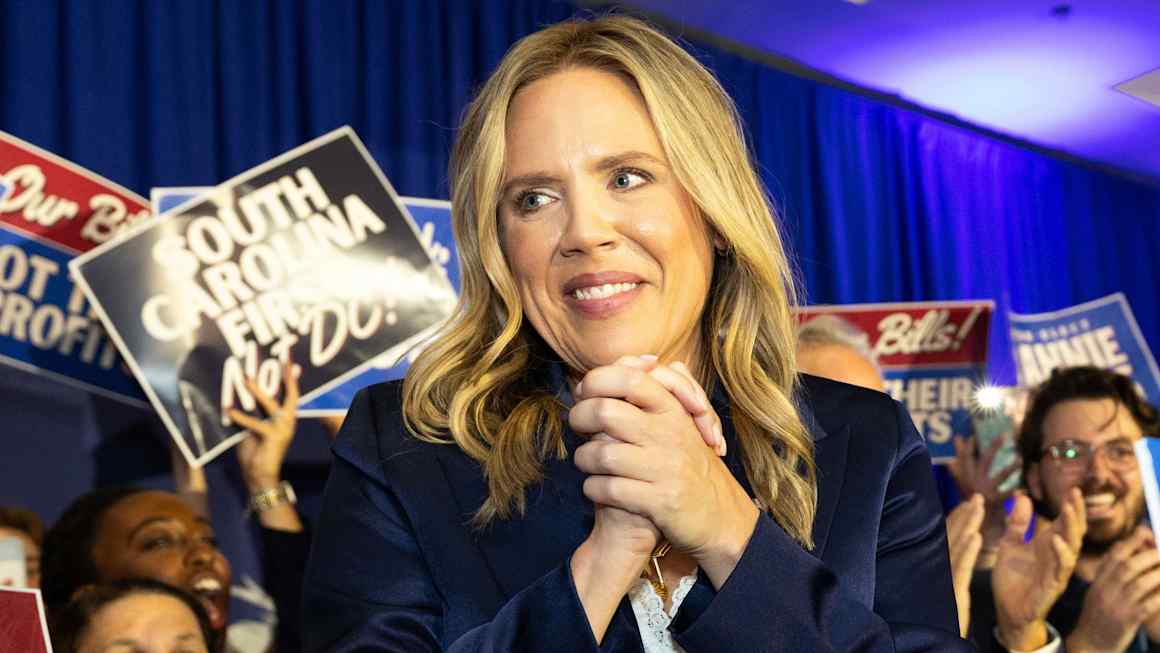
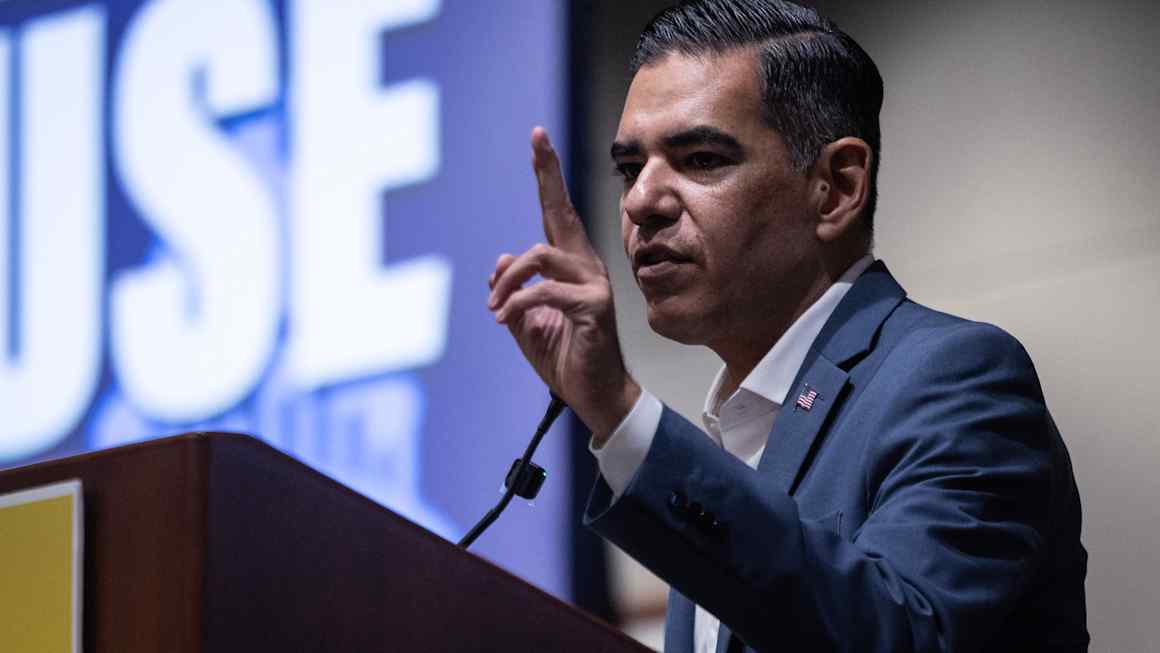
As the sun rose over the Capitol on a crisp January morning, a sense of anticipation filled the air. New faces, full of promise and ambition, gathered to take their oaths of office, marking the beginning of a new chapter in American politics. Among them were individuals whose names are already being whispered as potential contenders for the presidency. This influx of fresh talent in the U.S. Senate not only reflects the changing demographics of our nation but also signals a shift in political dynamics that could shape the future of the country.
The latest Senate class includes a diverse group of leaders who have captured the attention of their constituents and political analysts alike. Notable among them is Senator Jane Doe from California, a former mayor known for her progressive policies and commitment to environmental issues. Her election was not just a victory for her party but a reflection of the growing importance of climate change in the national discourse. Another standout is Senator John Smith from Texas, whose focus on economic reform and job creation resonates strongly with his constituents.
These senators bring with them not only their unique backgrounds but also a fresh perspective on pressing issues. Senator Doe's advocacy for renewable energy has already sparked discussions on legislative reforms, while Senator Smith's business acumen is expected to influence economic policies significantly. With the Senate now housing these dynamic leaders, the potential for impactful legislation is palpable.
The addition of these new senators represents a broader trend in American politics where younger, more diverse leaders are emerging. This shift is particularly evident in the 2022 midterm elections, which saw a record number of women and people of color elected to office. As these new senators step into their roles, they bring with them the hopes and aspirations of a generation eager for change.
Political experts suggest that the diversity within this new Senate class could lead to more inclusive policymaking. For example, Senator Doe's focus on climate change aligns with the urgent demands from younger voters, while Senator Smith's economic strategies may appeal to a broader base, including those from traditionally conservative backgrounds.
Among the new faces, the potential for future presidential candidates is particularly noteworthy. Senator Doe has already been mentioned as a possible contender for the 2024 election, given her rising popularity and ability to connect with young voters. Similarly, Senator Smith's pragmatic approach to governance has garnered attention, positioning him as a strong candidate for the future.
Their presence in the Senate not only diversifies the political landscape but also introduces new narratives that could resonate with the American public. As they navigate their legislative responsibilities, their actions and decisions will be closely watched by both supporters and detractors, shaping their political trajectories.
The impact of these new senators extends beyond the halls of Congress. Their election signifies a shift in the values and priorities of their constituents. For many, the election of leaders like Senator Doe and Senator Smith represents a commitment to addressing issues that matter most to everyday Americans, such as healthcare, education, and economic opportunity.
In their respective states, community members have expressed optimism about the changes these senators can bring. Local leaders have noted that the focus on climate change and economic reform aligns with the needs of their communities, fostering hope for a brighter future. As these senators engage with their constituents, their ability to listen and respond to local concerns will be crucial in building trust and ensuring effective representation.
For instance, in California, Senator Doe's constituents have praised her efforts to promote green jobs and sustainable practices, viewing her as a champion for both the environment and the economy. Local businesses that focus on renewable energy have reported increased interest and support from the state government, which they attribute to her advocacy.
In Texas, Senator Smith's initiatives aimed at bolstering small businesses have been well-received, particularly in rural areas where economic opportunities can be scarce. Community leaders have noted that his focus on job creation and workforce development is not just a political talking point but a necessary step toward revitalizing struggling communities.
As the new senators settle into their roles, the coming months will be critical in determining how they will shape policy and influence the direction of the Senate. Their willingness to collaborate across party lines could prove essential in addressing the pressing issues facing the nation, from healthcare reform to climate change initiatives.
Moreover, the potential candidacies of Senator Doe and Senator Smith for the presidency will likely influence their legislative priorities. As they navigate the complexities of governance, their actions will be scrutinized not only by their peers but also by the American electorate, who will be assessing their suitability for higher office.
In conclusion, the new faces in the U.S. Senate are more than just representatives; they are symbols of a changing political landscape. As they embark on their journeys in Congress, their commitment to their constituents and the values they uphold will define their legacies and potentially shape the future of American politics.
While the arrival of new senators brings hope and optimism, it also presents challenges. The political climate remains deeply polarized, and the new senators will have to navigate this landscape carefully. Their ability to build coalitions and find common ground with colleagues from both parties will be essential in advancing their agendas.
Moreover, they will face scrutiny from established political figures and interest groups who may resist their progressive stances. This resistance could manifest in various forms, from legislative roadblocks to public campaigns aimed at undermining their credibility. Nonetheless, the enthusiasm surrounding their elections suggests that many Americans are ready for change and willing to support leaders who prioritize transparency and accountability.
Looking ahead, the new senators have an opportunity to harness the energy of grassroots movements that propelled them into office. Engaging with community organizations and leveraging social media to communicate directly with constituents can enhance their visibility and strengthen their support. By remaining accessible and responsive, they can solidify their positions as true representatives of the people.
In summary, the new faces in the U.S. Senate represent not just a shift in demographics but a potential realignment of political priorities. As they embark on this journey, their actions will resonate far beyond their home states, shaping the national discourse and influencing future generations of leaders.
By Marcus Chen

By Marcus Chen

By Katherine Langford

By Katherine Langford