
Technology
Hong Kong passes law requiring crypto exchanges to report customer transactions to tax authorities
By Katherine Langford
Advertisement · Why this ad?
Marcus manages the day-to-day editorial workflow across all brands, coordinating coverage assignments and ensuring editorial standards are met. He previously served as city editor at the Pioneer Press and holds a degree in Political Science from Carleton College.
More from Marcus →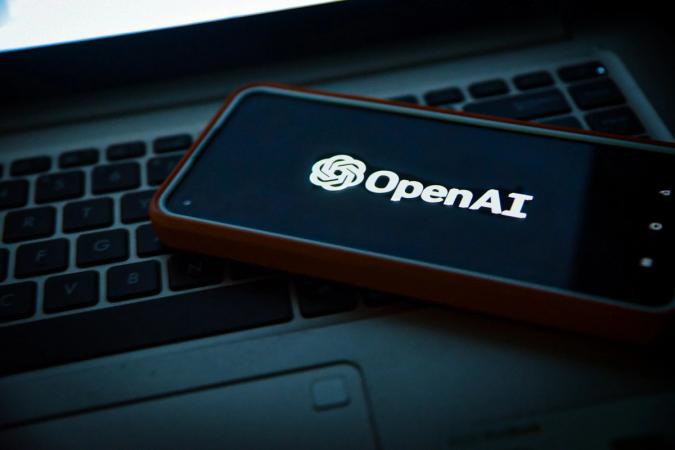
In a dimly lit conference room in Manhattan, cybersecurity experts gathered to discuss a startling revelation: OpenAI has developed an artificial intelligence capable of breaching Linux systems at scale. The implications are staggering, particularly for the cryptocurrency sector, which relies heavily on the security of these systems. As the conversation unfolded, attendees exchanged anxious glances, realizing they were on the brink of a new era in digital security.
OpenAI's announcement has sent shockwaves through the tech community. During a recent press briefing, the organization revealed that its latest AI model can exploit vulnerabilities in Linux operating systems, a platform widely used in the crypto space. This capability raises alarms about the potential for large-scale attacks on cryptocurrency exchanges and wallets, which are often built on Linux infrastructure.
According to OpenAI, the AI can autonomously identify and exploit weaknesses in Linux systems, making it a formidable tool in the hands of cybercriminals. "We are witnessing a paradigm shift in how attacks can be orchestrated," said Dr. Emily Chen, a cybersecurity analyst. "If this technology falls into the wrong hands, we could see unprecedented breaches in digital security."
The implications are not just theoretical. In recent months, several high-profile breaches have already highlighted the vulnerabilities in cryptocurrency exchanges. The recent hack of a major exchange resulted in the loss of over $100 million in digital assets, underscoring the urgent need for enhanced security measures. With OpenAI's technology, the potential for similar or even larger breaches looms larger than ever.
To comprehend the gravity of OpenAI's announcement, it's crucial to understand the technical landscape of Linux systems and their role in the cryptocurrency ecosystem. Linux, known for its open-source nature and flexibility, is a preferred operating system for many blockchain developers and cryptocurrency exchanges. Its robustness and customization options have made it a staple in the tech community, yet this very flexibility can also be its Achilles' heel.
Vulnerabilities in Linux systems can stem from various sources, including outdated software, misconfigurations, and unpatched security flaws. The ability of AI to autonomously identify these weaknesses means that cybercriminals can potentially launch attacks with unprecedented speed and efficiency. For instance, the AI could scan thousands of systems in a matter of minutes, pinpointing the most vulnerable targets for exploitation.
The potential ramifications of OpenAI's technology extend beyond individual exchanges. The cryptocurrency community, which has already faced scrutiny over security practices, may find itself under increased regulatory pressure. Authorities could implement stricter compliance requirements to safeguard against the risks posed by AI-driven attacks. This could lead to significant changes in how cryptocurrency companies operate, potentially increasing operational costs and hindering innovation.
Moreover, the fear of breaches could deter new investors from entering the market. If security concerns dominate the narrative surrounding cryptocurrency, it may undermine the industry's growth potential. Investors often prioritize the safety of their assets, and a reputation for vulnerability could lead to a downturn in market activity.
The response from the cryptocurrency community has been swift and varied. Some industry leaders have expressed concern about the ramifications of OpenAI's technology. "This is a wake-up call for all of us in the crypto space," said Mark Thompson, CEO of CryptoSecure. "We must prioritize security and invest in robust defenses against these emerging threats."
Others, however, view the situation as an opportunity for innovation. "Adversity breeds innovation," noted Sarah Kim, a blockchain developer. "This technology could also lead to new security solutions that can protect against such attacks. It's a double-edged sword, and we need to be proactive."
As the news spreads, cybersecurity firms have begun ramping up their efforts to educate clients about potential threats. Workshops and seminars are being organized to help businesses understand the risks associated with AI-driven attacks. The New York Cybersecurity Coalition is among those leading the charge, offering resources to help companies fortify their defenses.
Local meetups are also being organized to foster collaboration among developers and security experts. "We need to come together as a community to share insights and strategies," said John Lee, a cybersecurity consultant. "The more we collaborate, the stronger we become against these threats."
Moreover, many organizations are now considering partnerships with AI firms to develop countermeasures against potential attacks. These collaborations could lead to breakthroughs in security technology, such as advanced intrusion detection systems that leverage machine learning to identify and neutralize threats before they can be exploited.
Among the attendees at the conference were representatives from various sectors of the cryptocurrency industry, including exchange operators, blockchain developers, and security experts. One such attendee, Maria Gonzalez, a systems administrator for a mid-sized exchange, expressed her concerns: "We are constantly updating our systems, but the speed at which technology evolves makes it challenging to stay ahead of potential threats. This AI development could change the game entirely."
On the other hand, David Rios, a software engineer at a blockchain startup, emphasized the importance of resilience: "Every time a new threat emerges, we adapt and evolve. This is just another chapter in the ongoing battle between security and exploitation in the digital realm."
Furthermore, local universities are considering incorporating AI and cybersecurity topics into their curricula, recognizing the need for future professionals to be equipped with the knowledge to tackle these emerging challenges. As institutions like NYU and Columbia ramp up their programs, the next generation of tech experts will be better prepared to defend against these advanced threats.
Looking ahead, the cryptocurrency sector must adapt quickly to this new reality. Experts suggest that organizations should conduct thorough assessments of their security protocols and consider implementing more advanced measures such as multi-factor authentication and end-to-end encryption.
Additionally, there is a pressing need for legislation that addresses the ethical implications of AI in cybersecurity. "We need to establish guidelines that govern the use of AI in offensive security measures," stated Dr. Chen. "Without proper oversight, we risk creating a landscape where malicious actors can operate unchecked."
As the conversation continues, one thing is clear: the intersection of AI and cybersecurity is a frontier that requires vigilance and innovation. The cryptocurrency community must remain proactive, not only in defending against threats but also in leveraging technology to create a safer digital environment.
The potential repercussions of AI-driven attacks extend beyond immediate financial losses. They could erode trust in the cryptocurrency ecosystem as a whole, which is particularly concerning given the sector's reliance on user confidence. If exchanges and wallets are seen as insecure, it could lead to a significant decline in user adoption and investment.
In conclusion, OpenAI's revelations mark a critical juncture for the future of cybersecurity in the cryptocurrency space. As professionals and enthusiasts alike grapple with these developments, the hope is that collaboration and innovation will lead to stronger defenses and a more secure future.
By Katherine Langford
By Marcus Chen

By Marcus Chen
By Katherine Langford